
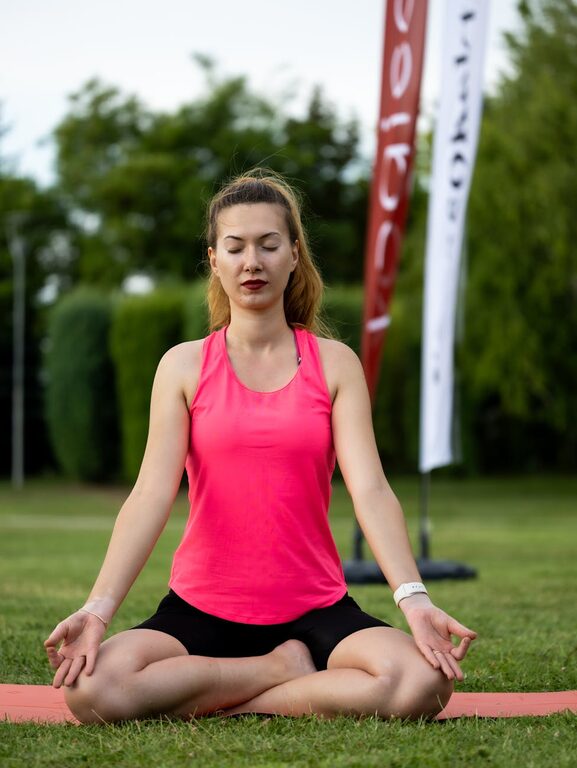
Taking regular breaks to focus on your breath can be a powerful way to bring calm and clarity into your daily routine. Whether you’re working, studying, or managing a busy household, mindful breathing helps reduce stress and improve concentration. If you’re new to this practice, this post will guide you step-by-step through simple tips for mindful breathing breaks that anyone can try.
What Is Mindful Breathing?
Mindful breathing is the practice of paying full attention to your breath — noticing how it feels as it flows in and out, without trying to change it. This gentle awareness acts like a mini-reset for your mind, helping to quiet worries and bring your focus back to the present moment.
Unlike controlled breathing techniques used in some exercises, mindful breathing encourages you simply to observe your natural rhythm. It’s easy to do anywhere and takes just a few minutes.
Why Take Mindful Breathing Breaks?
Regular mindful breathing offers several benefits:
– Reduces stress and anxiety: Slowing down your breath helps lower the body’s stress response.
– Improves focus: Brief breaks can clear mental clutter, making it easier to concentrate.
– Enhances emotional regulation: Mindfulness can increase your awareness of emotions, helping you respond calmly.
– Boosts overall wellbeing: Practicing mindfulness is linked to better sleep, lower blood pressure, and improved mood.
Even short pauses of 1–5 minutes throughout your day can make a noticeable difference.
How to Start Mindful Breathing Breaks: Step-by-Step Guide
If you’re ready to try a mindful breathing break, follow these simple steps:
1. Find a Comfortable Spot
Sit or stand wherever you feel stable and relaxed. It could be at your desk, on a chair, or even outside. The key is to be comfortable and supported without slouching.
2. Set a Timer (Optional)
If you want, set a timer for 2 to 5 minutes to keep the practice brief and focused. This removes the pressure of guessing when to stop.
3. Close or Soften Your Eyes
Closing your eyes can help minimize distractions, but lightly gazing down is fine too if closing your eyes feels uncomfortable.
4. Focus on Your Breath
Bring your attention to the sensation of air entering and leaving your nostrils, or notice your chest or belly rising and falling. Don’t try to control your breath — just observe it as it naturally happens.
5. Notice When Your Mind Wanders
It’s normal for thoughts to appear. When you notice your mind drifting, gently bring your focus back to the breath, without judgment.
6. Finish Gently
When your timer goes off or you feel ready, open your eyes slowly and take a moment to notice how you feel before moving on.
Tips for Making Mindful Breathing Breaks a Habit
Starting something new is easier with a little planning:
– Schedule consistent times: Set reminders during your day—such as mid-morning, lunch, or mid-afternoon—to pause and breathe.
– Use apps or guided recordings: Apps like Insight Timer or Calm offer free guided breathing practices to get you started.
– Incorporate it into daily routines: Take mindful breaths right after morning coffee, during a commute, or before meetings.
– Start small: Even 30 seconds to 1 minute counts. Gradually increase the time as you get comfortable.
– Practice kindness: Don’t get discouraged if your mind wanders a lot. That’s part of mindfulness. Gently return to your breath each time.
Sample Mindful Breathing Exercise for Beginners
Try this quick exercise whenever you need a calm moment:
- Sit comfortably with your feet flat on the floor.
- Close your eyes and take a deep breath in through your nose for 4 counts.
- Exhale slowly out through your mouth for 6 counts.
- Repeat this for 5 breaths.
- Then, shift your awareness to your natural breath — just observing without changing the pace.
- After about 2 minutes, slowly open your eyes and stretch.
Common Questions About Mindful Breathing Breaks
Can I practice mindful breathing while standing or walking?
Yes! Mindful breathing can be done sitting, standing, or even walking. The key is to maintain awareness of your breath as you move.
How often should I take mindful breathing breaks?
Aim for 2-4 times a day, especially during stressful moments, but any amount helps.
What if I have trouble focusing?
That’s normal. Simply notice when your attention drifts and return to your breath kindly. Over time, focus improves.
Do mindful breathing breaks replace exercise or other self-care?
No. They complement other healthy habits by promoting calm and mental clarity throughout your day.
Final Thoughts
Mindful breathing breaks are a simple, accessible way to nurture your mental and emotional wellbeing. As a beginner, start small, stay consistent, and approach the practice with patience and kindness. With time, these brief pauses can become refreshing anchors in your busy day, helping you stay grounded no matter the challenges.
Give mindful breathing a try today — your mind and body will thank you!