
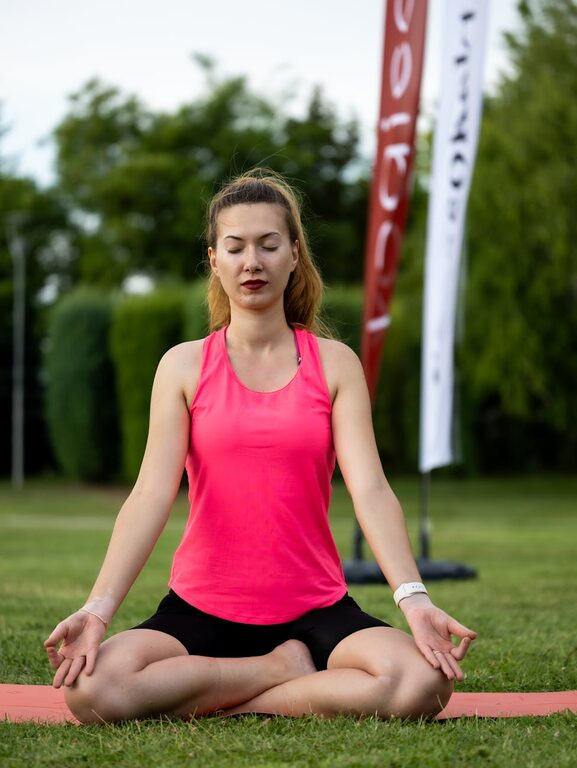
Mindful walking is a simple yet powerful practice that combines movement with mindfulness—the art of staying fully present in the moment. Unlike hurried walks or distracted strolls, mindful walking offers a chance to slow down, focus on your body, and connect with the world around you. If you’re new to mindfulness or looking for a gentle way to reduce stress, this beginner guide will walk you through everything you need to know to get started.
What Is Mindful Walking?
Mindful walking means paying close attention to the experience of walking. This includes noticing the sensations in your feet as they touch the ground, the rhythm of your steps, your breathing, and even sounds or smells around you. The goal is to keep your awareness anchored to the present moment instead of letting your mind drift to past worries or future tasks.
Unlike regular exercise or walking with a purpose, mindful walking encourages calm and curiosity rather than speed or distance. It’s a form of meditation in motion that anyone can practice anytime, anywhere.
Benefits of Mindful Walking
Mindful walking offers a variety of physical, mental, and emotional benefits:
– Reduces stress: Focusing on the present moment can calm your nervous system and lower anxiety.
– Improves concentration: Practicing mindfulness strengthens your attention span over time.
– Enhances body awareness: You’ll learn to notice bodily sensations and posture, which can improve balance and reduce tension.
– Boosts mood: Regular mindful walks can uplift your spirits and create a feeling of well-being.
– Encourages gratitude: Being present helps you appreciate your surroundings and the simple act of walking.
How to Start Mindful Walking: Step-by-Step
1. Choose Your Place and Time
Pick a quiet spot where you feel safe and comfortable. This could be a park, garden, sidewalk, or even indoors if weather isn’t ideal. Early morning or evening walks often offer peaceful, distraction-free moments.
2. Get Comfortable
Wear comfortable shoes and clothing. Avoid checking your phone or wearing headphones so you can fully tune into your senses.
3. Stand Still and Breathe
Before you start walking, stand still with your feet hip-width apart. Take a few slow, deep breaths. Notice how your feet connect with the ground and the sensations in your body.
4. Begin Walking Slowly and Intentionally
Walk at a comfortable, slow pace. Focus on the movement of your feet and legs. Feel how your heels lift off the ground and your toes touch down. Notice the shift of your weight from one foot to the other.
5. Use Your Senses
Expand your awareness beyond your body. Listen to birds, feel the breeze, observe colors and shapes around you. Try to pick up details you might normally miss.
6. Notice Your Breath
Take note of your breathing as you walk. Breathe naturally but keep your mind connected to the inhale and exhale cycle.
7. Return When Your Mind Wanders
It’s normal for your thoughts to drift. When you realize this, gently bring your attention back to your steps, your breath, or your surroundings without judgment.
8. Set a Time
Start with 5 to 10 minutes if you are a beginner. As you get comfortable, gradually increase your walking time.
Tips for Maintaining a Mindful Walking Practice
– Consistency is key: Try to walk mindfully daily or several times a week.
– Pair with journaling: After your walk, jot down how you feel or any observations to deepen your awareness.
– Invite a friend: Walking with someone who practices mindfulness can motivate and enrich the experience.
– Be patient: Your mind will wander often, especially at first. That’s part of the practice.
– Use reminders: Place notes or set phone alerts to remind you to be mindful when walking during daily chores or errands.
Common Challenges and How to Overcome Them
Getting Distracted
If you get distracted by your phone, people, or traffic, simply acknowledge it and calmly redirect your focus. Mindfulness isn’t about perfection but kindly returning attention again and again.
Feeling Self-Conscious
Walking mindfully in public might feel unusual at first. Remember, many people appreciate nature and calmness, and you don’t need to do anything differently from your normal walk except pay attention.
Physical Discomfort
If your feet or legs hurt, slow down or pause to stretch. Mindful walking is gentle and can be adapted to your body’s needs.
Mindful Walking Beyond the Walk
You can apply mindful walking principles to various parts of your day:
– Walk mindfully while going to work or school.
– Use it as a break during busy or stressful moments.
– Practice before or after meditation to ground yourself.
– Combine with mindfulness apps or guided audio walks.
Final Thoughts
Mindful walking requires no special equipment or a lot of time. It’s a natural way to cultivate peace, clarity, and presence in your daily life. By tuning into each step and moment, you gift yourself a simple path toward calmness and awareness. So next time you walk, slow down, breathe, and take the time to truly walk mindfully.
Give it a try today—you might be surprised at how refreshing a mindful walk can feel!